

The First Vibrator: A 19th Century Medical Marvel
4 Months ago
Hormonal Balance & Libido: An Endocrine Deep Dive
4 Months ago
The Science of Sensation: Receptors & Neurology
5 Months ago
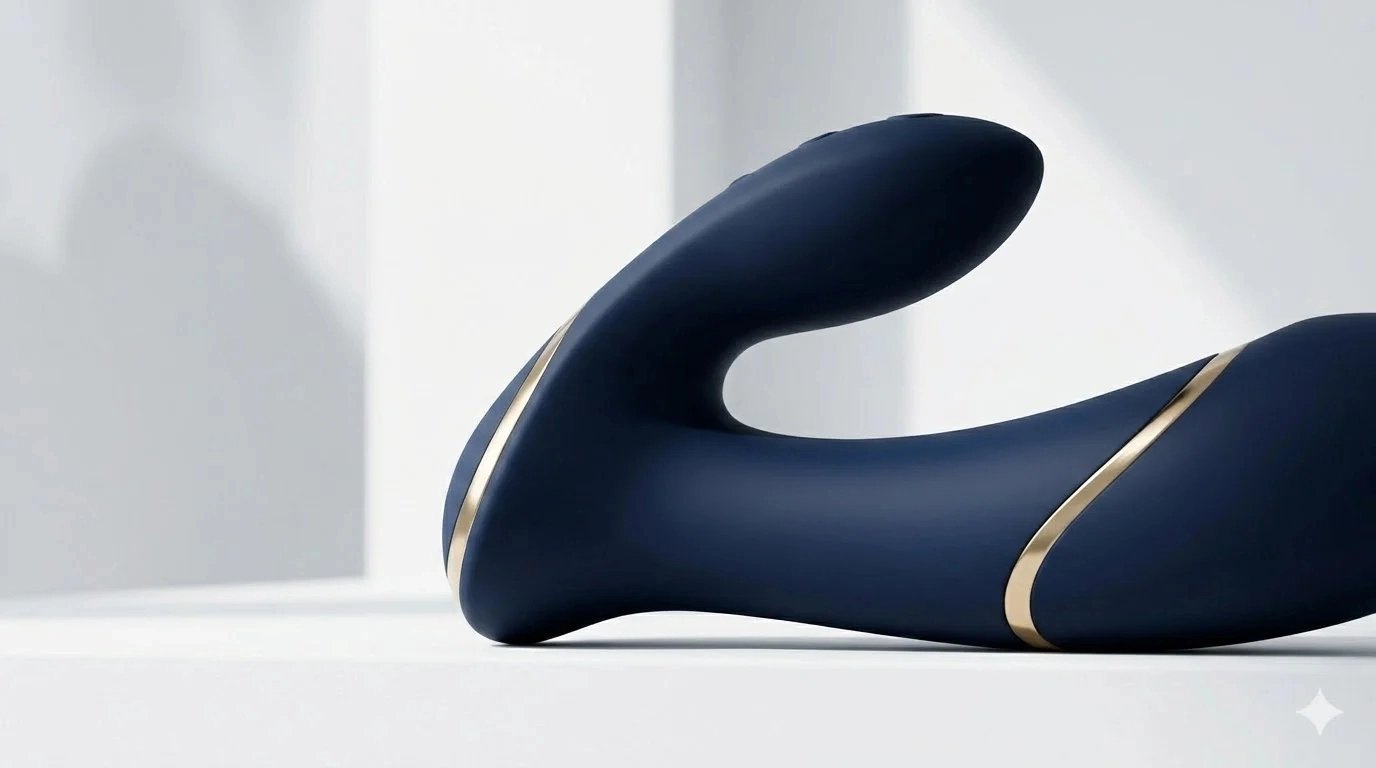
The prostate plays an important role in male reproductive health and can also be a highly sensitive area for sexual pleasure. Although prostate stimulation is sometimes surrounded by myths and medical claims, it is important to distinguish between personal wellness, sexual exploration and actual medical treatment. Used safely and comfortably, prostate stimulation can be part of a healthy and enjoyable approach to male sexual wellness.
The prostate plays an important role in male reproductive health and can also be a highly sensitive area for sexual pleasure. Although prostate stimulation is sometimes surrounded by myths and medical claims, it is important to distinguish between personal wellness, sexual exploration and actual medical treatment. Used safely and comfortably, prostate stimulation can be part of a healthy and enjoyable approach to male sexual wellness.
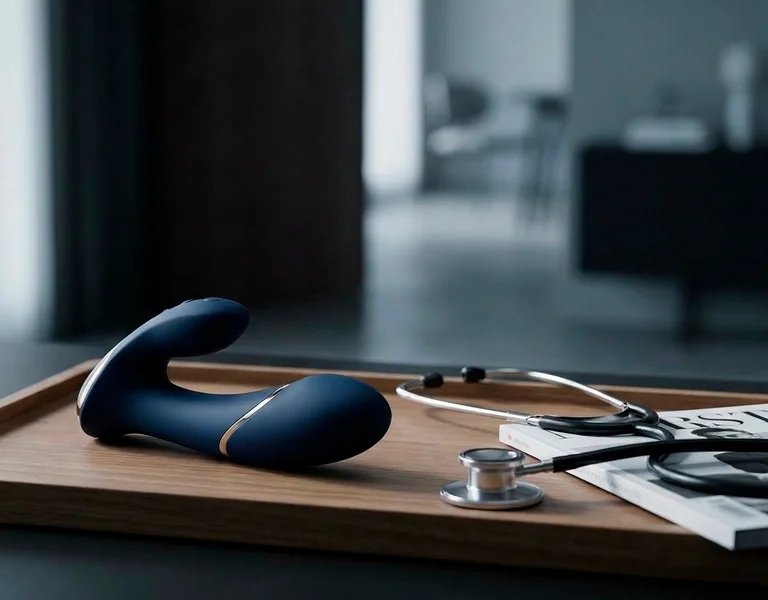
The prostate is a small gland located below the bladder and in front of the rectum. It surrounds part of the urethra and contributes fluid to semen.
Because of its anatomical position and nerve supply, the prostate can also be sensitive to pressure and stimulation. For some men, prostate stimulation can create pleasurable sensations that differ from external penile stimulation.
This is a normal part of human anatomy and does not depend on sexual orientation.
Prostate massage has historically been discussed in connection with certain prostate conditions. However, modern medical guidance does not consider recreational prostate massage a proven method for preventing benign prostatic hyperplasia (BPH), chronic pelvic pain syndrome (CPPS) or other prostate diseases.
Chronic prostatitis and chronic pelvic pain syndrome are complex conditions that can involve pain, urinary symptoms, pelvic-floor dysfunction and neurological factors. Their causes are not always known, and treatment should be based on an individual medical assessment.
Healthcare professionals may recommend treatments such as medication, relaxation techniques or pelvic-floor physical therapy depending on the symptoms and diagnosis.
The pelvic floor consists of muscles that support the bladder, bowel and reproductive structures. These muscles also contribute to urinary control and sexual function.
In some people with chronic pelvic discomfort, excessive muscle tension or tenderness may be part of the problem. Research has identified pelvic-floor and myofascial tenderness in some men with chronic prostatitis/chronic pelvic pain syndrome.
This does not mean that stronger internal pressure is better. In fact, discomfort or persistent pelvic pain should be assessed by a healthcare professional rather than treated independently with a sex toy.
Outside a medical context, prostate stimulation is primarily a form of sexual exploration and pleasure.
The prostate can be reached through the rectal wall. Products designed specifically for prostate stimulation generally use a curved or angled shape intended to make controlled contact with this area.
Some people prefer gentle pressure, while others enjoy vibration or rhythmic movement. As with all intimate stimulation, personal preference varies considerably.
A curved design can help a product follow the natural anatomy of the body and reach the prostate without requiring excessive pressure.
Any product intended for anal use should have a sufficiently wide base or another design feature that prevents the product from travelling completely inside the rectum.
Materials and surfaces should be suitable for their intended body contact, smooth and easy to clean. Consumers should follow the manufacturer's instructions regarding cleaning, lubrication and use.
More intensity is not automatically better. Gentle stimulation and gradual exploration make it easier to discover what feels comfortable without unnecessary pressure.
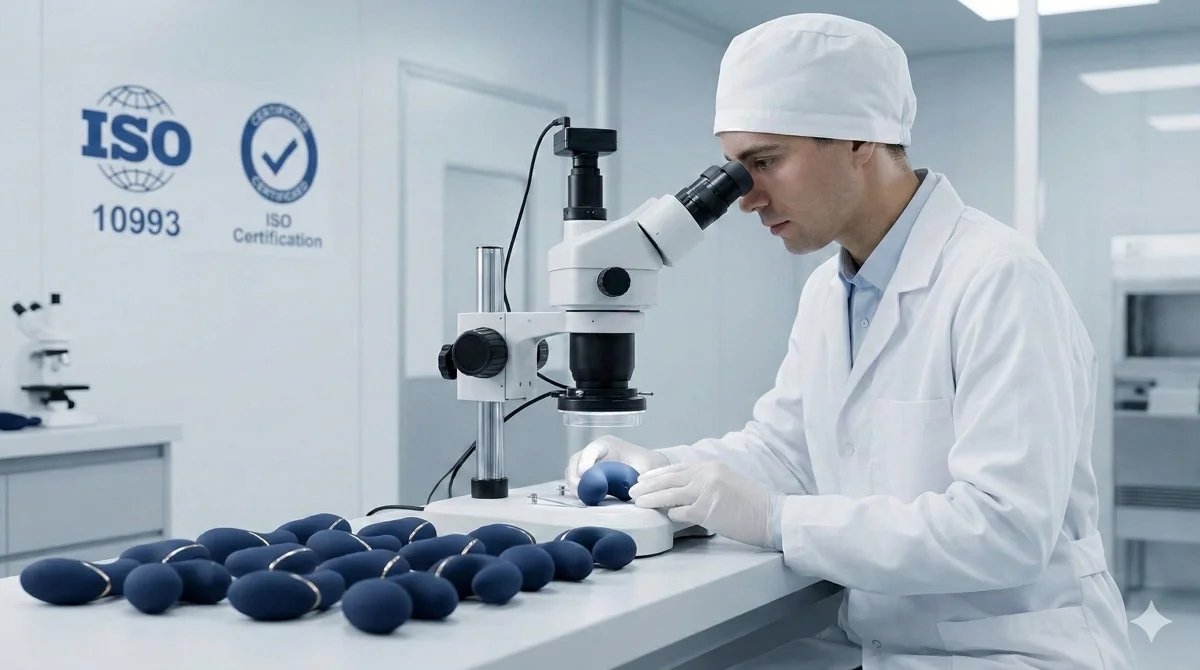
ISO 10993 is a family of international standards used for the biological evaluation of medical devices. It provides a framework for assessing how materials and finished medical devices interact with the body according to factors such as the type and duration of contact.
However, the phrase “ISO 10993” should not automatically be interpreted as meaning that every product made from a particular material is a certified medical device.
When a manufacturer makes specific claims about biocompatibility or testing, consumers and professional buyers should look for documentation that applies to the actual material or finished product concerned.
Comfort and patience are especially important when exploring anal or prostate stimulation.
Use plenty of compatible lubricant, start slowly and never force a product if something feels painful. Products designed for anal use should always include a secure base or retrieval feature.
Stop immediately if you experience sharp pain, bleeding or unusual discomfort.
People with prostate disease, acute prostatitis, rectal problems, unexplained pelvic pain, recent surgery or other medical concerns should speak with a healthcare professional before using an internal prostate massager.
Looking after prostate health involves much more than sexual stimulation. Age-appropriate medical check-ups, paying attention to urinary symptoms and discussing persistent pain or changes with a healthcare professional remain important parts of preventive health.
Prostate stimulation can be an enjoyable part of sexual wellness, but it should complement—not replace—appropriate medical care.
Good prostate stimulation is about comfort, control and discovering what feels right for you. Explore products designed specifically for male pleasure and anatomical comfort.
Explore Prostate MassagersNIDDK – Medical information about prostatitis, BPH and common prostate problems: Prostate Problems
Harvard Health Publishing – Overview of chronic prostatitis and available treatment approaches: Treating Chronic Prostatitis
The Journal of Urology – Research into muscular tenderness and myofascial factors in men with chronic pelvic pain syndrome: Muscle tenderness in men with chronic prostatitis/chronic pelvic pain syndrome
ISO 10993-1 – International framework for biological safety evaluation of medical devices: Biological evaluation of medical devices
Please sign in first.
Sign in


