

The First Vibrator: A 19th Century Medical Marvel
4 Months ago
Hormonal Balance & Libido: An Endocrine Deep Dive
4 Months ago
The Science of Sensation: Receptors & Neurology
5 Months ago
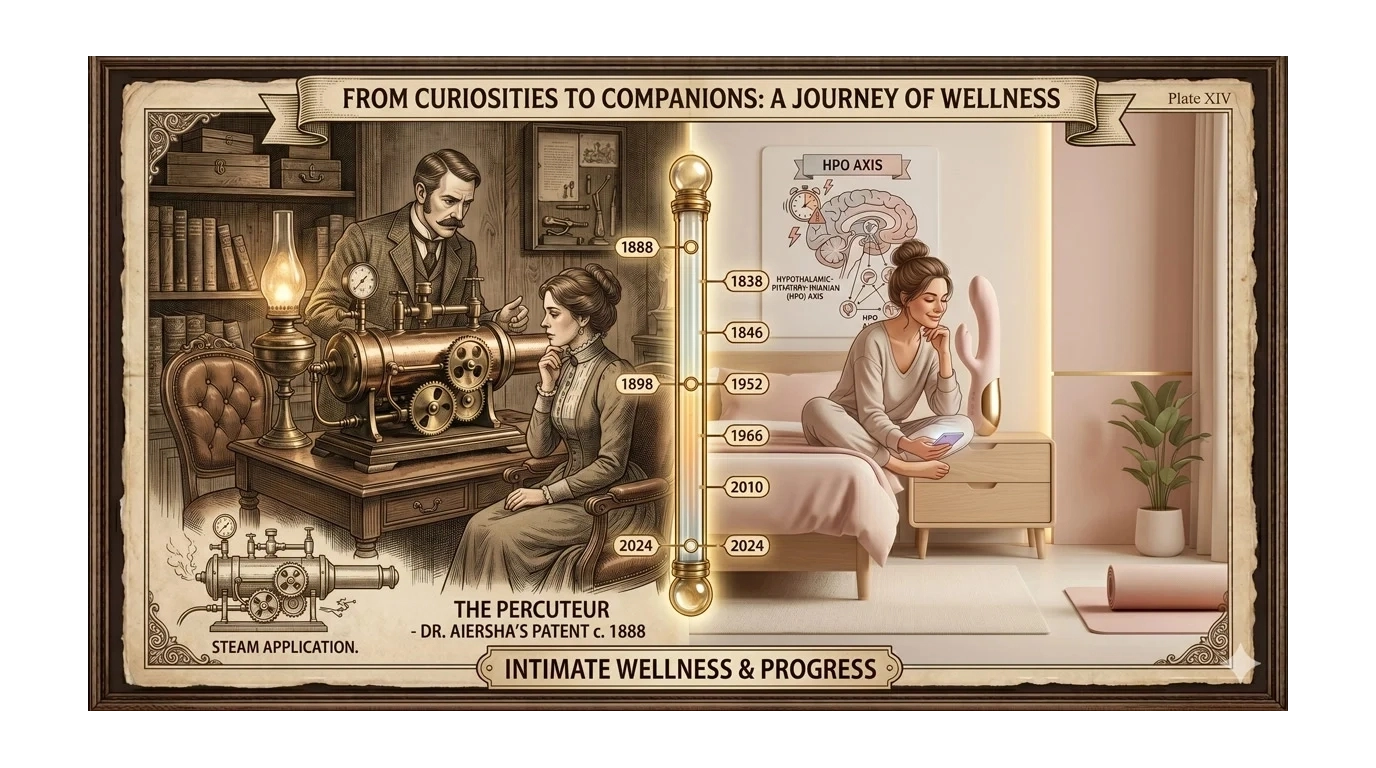
When we think of vibrators today, we associate them with pleasure, empowerment, and modern intimacy. But rewind to the 1880s, and you’ll find a steam-powered medical device in the hands of doctors, prescribed to women for a condition called “female hysteria”—a catch-all diagnosis for everything from anxiety to “excessive” sexual desire.
When we think of vibrators today, we associate them with pleasure, personal wellness and modern intimacy. But the history of mechanical vibration devices reaches back much further than most people realize. In the late 19th century, early mechanical devices were developed for medical and therapeutic purposes, long before vibrators became products associated with intimate wellness.
During the Victorian era, medicine viewed many physical and emotional symptoms very differently from today. Women experiencing nervousness, insomnia, emotional distress or other symptoms were sometimes diagnosed under the broad historical term “hysteria”.
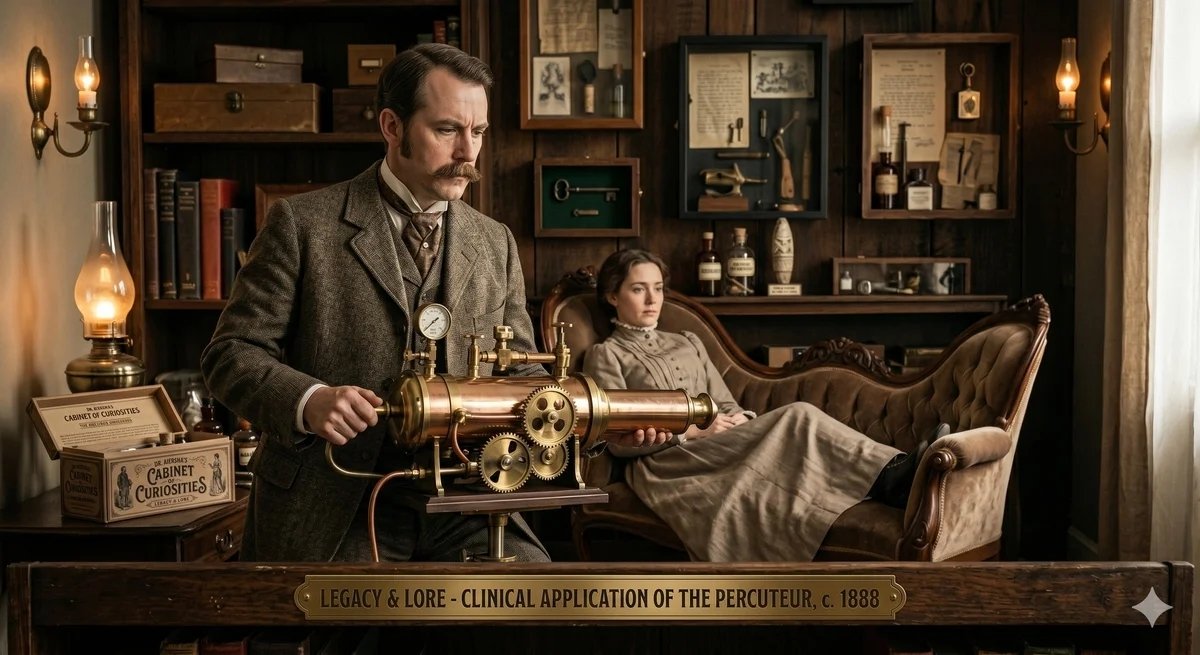
At the same time, physicians and inventors were experimenting with mechanical vibration for therapeutic purposes. One important figure in this history was British physician Dr. Joseph Mortimer Granville, who developed an electromechanical percussion device during the 19th century.
These early machines were very different from the compact, quiet and sophisticated personal wellness products we know today. Nevertheless, they represent an important chapter in the development of vibration-based technology.
Over time, mechanical vibration technology became smaller, more practical and increasingly accessible outside professional environments. Technological developments in electric motors, batteries, materials and product design gradually transformed vibration devices into consumer products.
Modern vibrators are therefore the result of more than a century of technological evolution. Today's products can offer multiple vibration patterns, different intensity levels, ergonomic shapes, rechargeable batteries and, in some cases, app-based controls.
What began as experimental mechanical technology has evolved into an established category within modern intimate wellness.
Human skin contains numerous sensory receptors that respond to pressure, movement and vibration. When these receptors are stimulated, signals are transmitted through the nervous system and interpreted by the brain.
This is one reason why vibration can create very different sensations depending on frequency, intensity, location and the way a product is designed.
Modern intimate products use this principle in many different ways. Some focus on deep, low-frequency vibration, while others use faster vibration, pulsation, suction or more complex movement patterns.
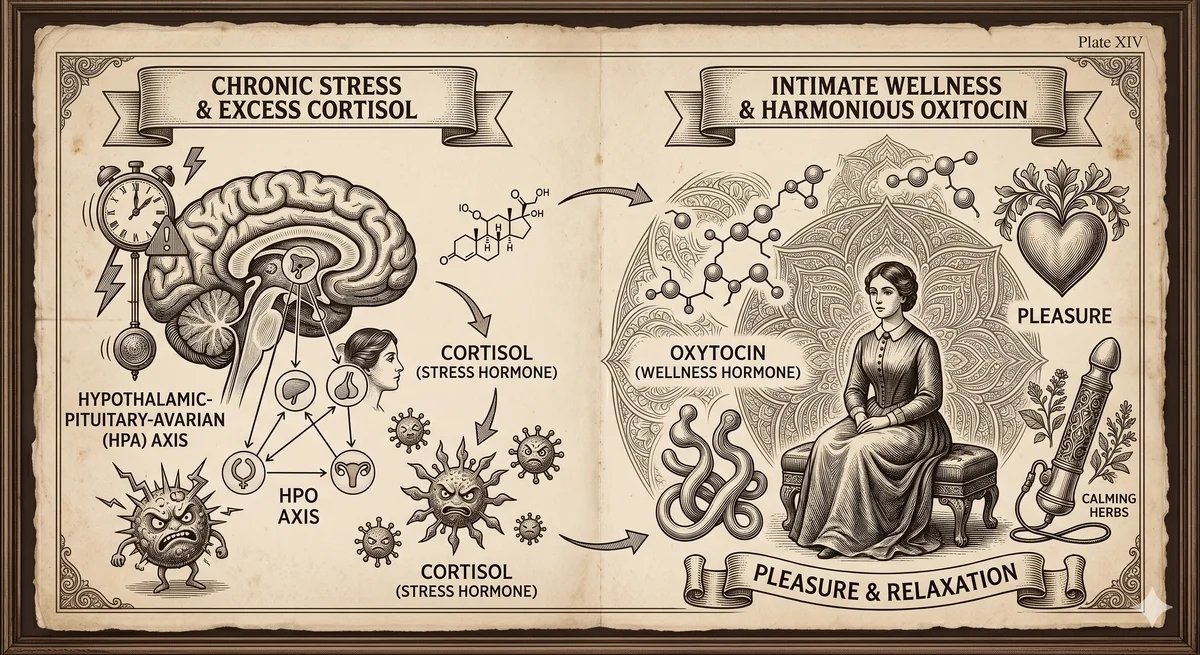
Intimate wellness is also closely connected with relaxation and personal well-being. Stress can influence mood, desire and the ability to relax, which is why creating time for personal care and intimacy can be an important part of an individual's wellness routine.
Modern intimate products should not be viewed as treatments for medical conditions. Instead, they can be used as personal wellness products designed to support exploration, relaxation and pleasure.
Ideas about sexuality, health and well-being have changed dramatically since the Victorian era. Topics that were once surrounded by stigma are increasingly discussed as normal aspects of personal wellness and relationships.
The evolution from large mechanical devices to compact rechargeable products demonstrates how strongly technological development influences intimate wellness.
Today, manufacturers continue to develop new motors, movement systems, materials, charging technologies and connected features to create different experiences.
There is no single product, sensation or experience that suits everyone. Modern intimate wellness is increasingly about personal choice, comfort and discovering what works best for each individual.
The journey of the vibrator reflects a much broader change in society. What started as part of the early development of mechanical therapeutic technology eventually became a diverse category of personal wellness products.
Today's vibrators are quieter, safer, more ergonomic and far more sophisticated than their historical predecessors. From compact bullet vibrators to app-controlled products, consumers can now choose from an enormous variety of designs and technologies.
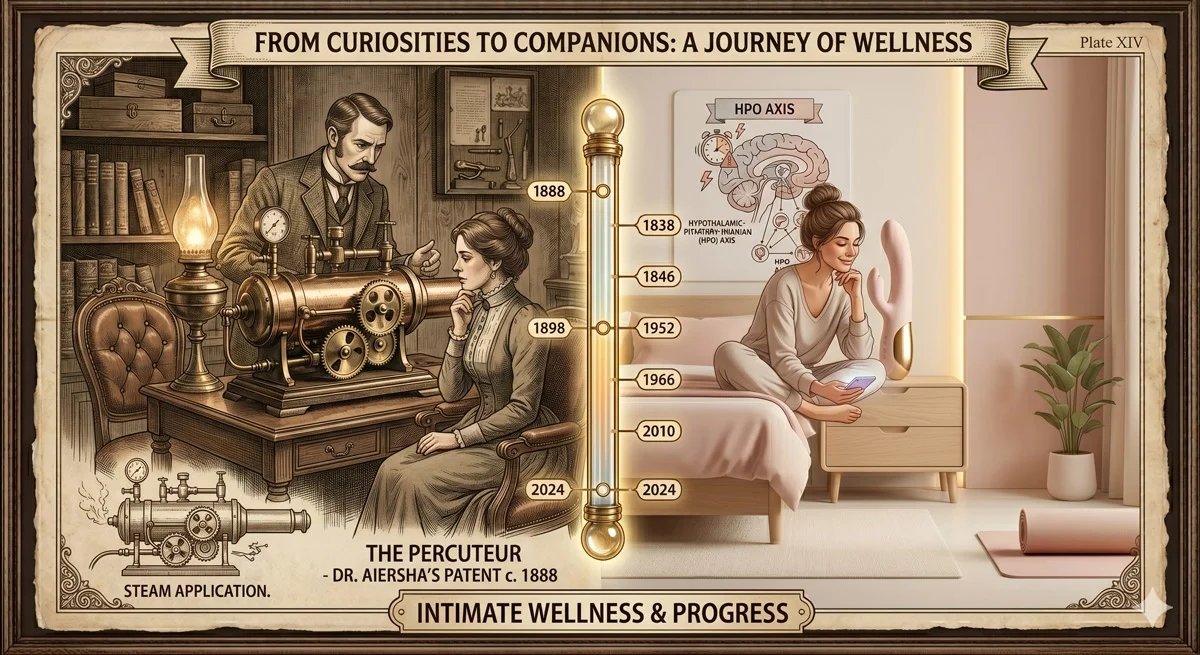
The vibrator’s journey from medical tool to modern essential mirrors our own evolution in understanding desire. It’s not about fixing a problem—it’s about embracing a natural part of who we are.
Discover Our Collection of Modern VibratorsThe Vibrator: A History – Rachel P. Maines’ seminal work on the cultural history of the vibrator: The Technology of Orgasm: "Hysteria", the Vibrator, and the Satisfaction of Women
Endocrine Society – The role of the HPO axis in sexual function: Endocrine Society – Reproductive Endocrinology
Harvard Health – Stress, cortisol, and hormonal balance: How stress affects sexual health
Please sign in first.
Sign in


