

The First Vibrator: A 19th Century Medical Marvel
4 Months ago
Hormonal Balance & Libido: An Endocrine Deep Dive
4 Months ago
The Science of Sensation: Receptors & Neurology
5 Months ago
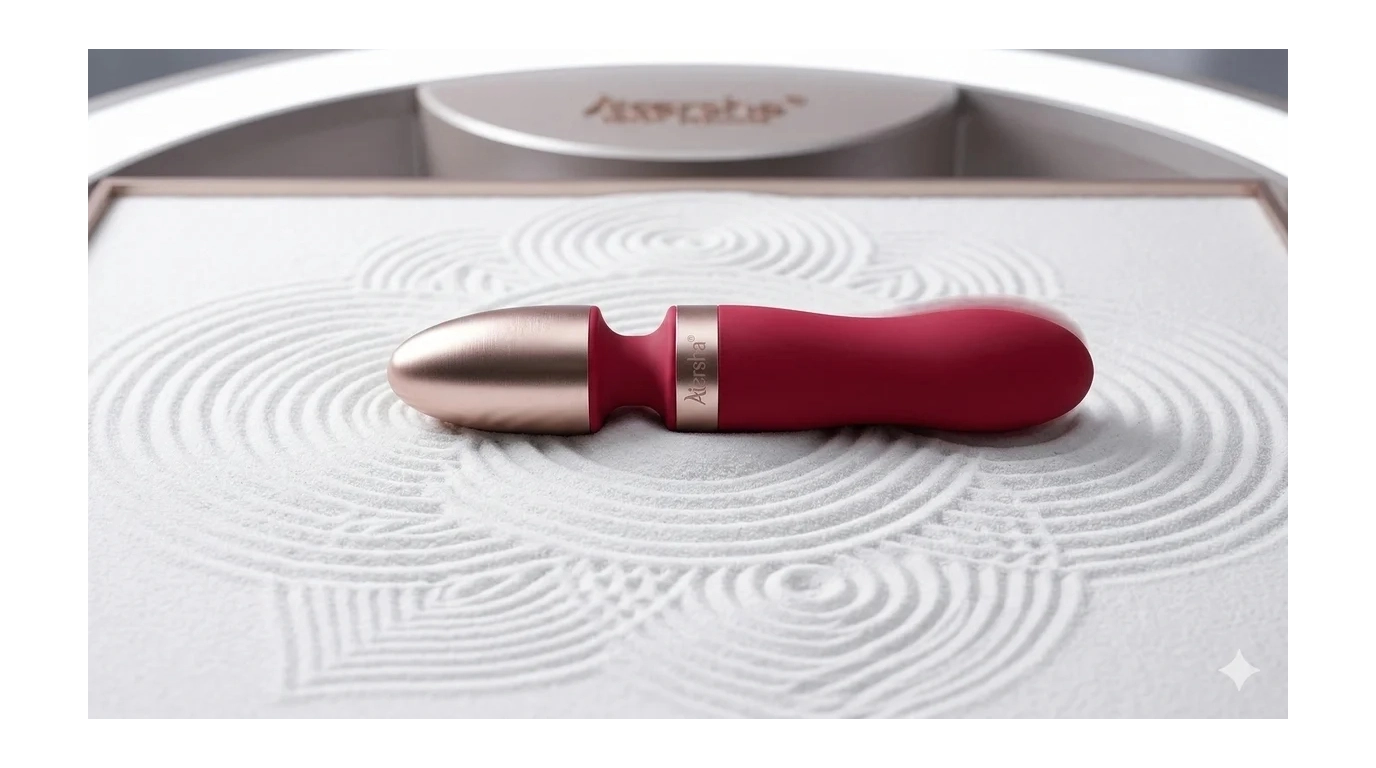
Touch is far more complex than simply feeling whether something is strong or weak. Our skin contains specialized sensory receptors that respond to pressure, movement, texture and vibration, while the nervous system and brain interpret these signals as different sensations. That is why the quality of stimulation depends on much more than vibration intensity alone.
Touch is far more complex than simply feeling whether something is strong or weak. Our skin contains specialized sensory receptors that respond to pressure, movement, texture and vibration, while the nervous system and brain interpret these signals as different sensations. That is why the quality of stimulation depends on much more than vibration intensity alone.
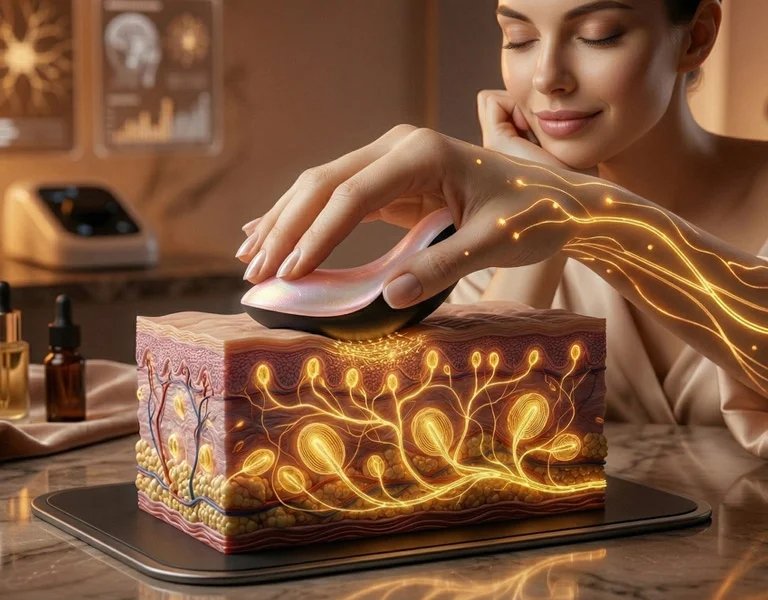
Human skin contains several types of mechanoreceptors. These specialized sensory structures respond to different forms of mechanical stimulation, including light touch, pressure, skin movement and vibration.
Among the best-known are Meissner corpuscles, which are associated with light touch and changing surface sensations, and Pacinian corpuscles, which are particularly sensitive to rapid mechanical changes and vibration.
These receptors convert mechanical stimulation into electrical signals that travel through sensory nerve fibres to the brain, where the information is processed and interpreted.
Vibration is not simply a question of how powerful a motor is. Frequency, rhythm, amplitude and the way stimulation changes over time can all influence how a sensation feels.
Different mechanoreceptors respond more strongly to different types of movement. This means that two products with similar motor strength can feel very different depending on their vibration pattern, frequency and how the movement is transferred to the body.
For this reason, modern intimate products often offer several vibration patterns or changing rhythms instead of relying only on one continuous setting.
It is easy to assume that stronger vibration automatically produces a better experience. In reality, the nervous system is sensitive not only to intensity but also to variation.
When a stimulus remains unchanged for a prolonged period, sensory adaptation can occur. In simple terms, the nervous system can gradually become less responsive to a constant stimulus.
Changing rhythm, intensity or movement can therefore create a noticeably different sensory experience and may help maintain awareness of the stimulation.
Meissner corpuscles are rapidly adapting mechanoreceptors associated with light touch and changes across the surface of the skin. They are especially common in areas involved in fine touch discrimination.
Pacinian corpuscles are located deeper in the skin and surrounding tissues and are particularly sensitive to rapid pressure changes and vibration.
Many low-threshold mechanoreceptors communicate through fast-conducting A-beta nerve fibres. These fibres carry tactile information toward the spinal cord and brain, where it contributes to our perception of touch.
Research has also identified specialized sensory structures known as Krause corpuscles in genital tissue. Recent experimental studies suggest that these receptors are particularly responsive to dynamic touch and vibration, highlighting how specialized genital sensation can be.
Touch does not become a conscious sensation until the nervous system processes it. Mechanical stimulation activates sensory receptors, which send electrical signals through peripheral nerves toward the central nervous system.
The brain then combines information about location, intensity, timing and movement. This is why sensation is not determined by a motor alone. Product shape, contact area, vibration pattern and movement can all change how stimulation is perceived.
Many modern intimate products offer several patterns rather than one constant vibration. Pulsing, escalating rhythms, waves and alternating intensities create different patterns of sensory input.
This does not mean that one pattern is scientifically “better” than another. Sensation is highly individual, and personal preference plays an important role.
Some people prefer slow, deep vibration, while others enjoy quicker patterns, pulses, suction or more complex movement. Exploring different forms of stimulation can help you discover which sensations feel most comfortable and enjoyable for you.
Modern intimate wellness products combine motor technology, materials, ergonomics and different movement patterns to create a wide range of sensations.
The goal is not simply to make a product more powerful. Thoughtful design considers how stimulation reaches the body, how it changes over time and how comfortably the product can be used.
Different rhythms, movements and vibration patterns can create completely different experiences. Explore our collection and discover what feels right for you.
Explore Our CollectionNature Reviews Neuroscience – Overview of the sensory neurons and mechanoreceptors involved in touch: The mechanosensory neurons of touch and their mechanisms of activation
Journal of Clinical Medicine – Review of human Meissner, Pacinian and other cutaneous sensory corpuscles: The Human Cutaneous Sensory Corpuscles: An Update
Nature – Research on specialized genital mechanoreceptors and vibrotactile sensation: Krause corpuscles are genital vibrotactile sensors for sexual behaviours
NCBI Bookshelf – Medical overview of mechanoreceptor physiology: Physiology, Mechanoreceptors
Please sign in first.
Sign in


