

The First Vibrator: A 19th Century Medical Marvel
4 Months ago
Hormonal Balance & Libido: An Endocrine Deep Dive
4 Months ago
The Science of Sensation: Receptors & Neurology
5 Months ago
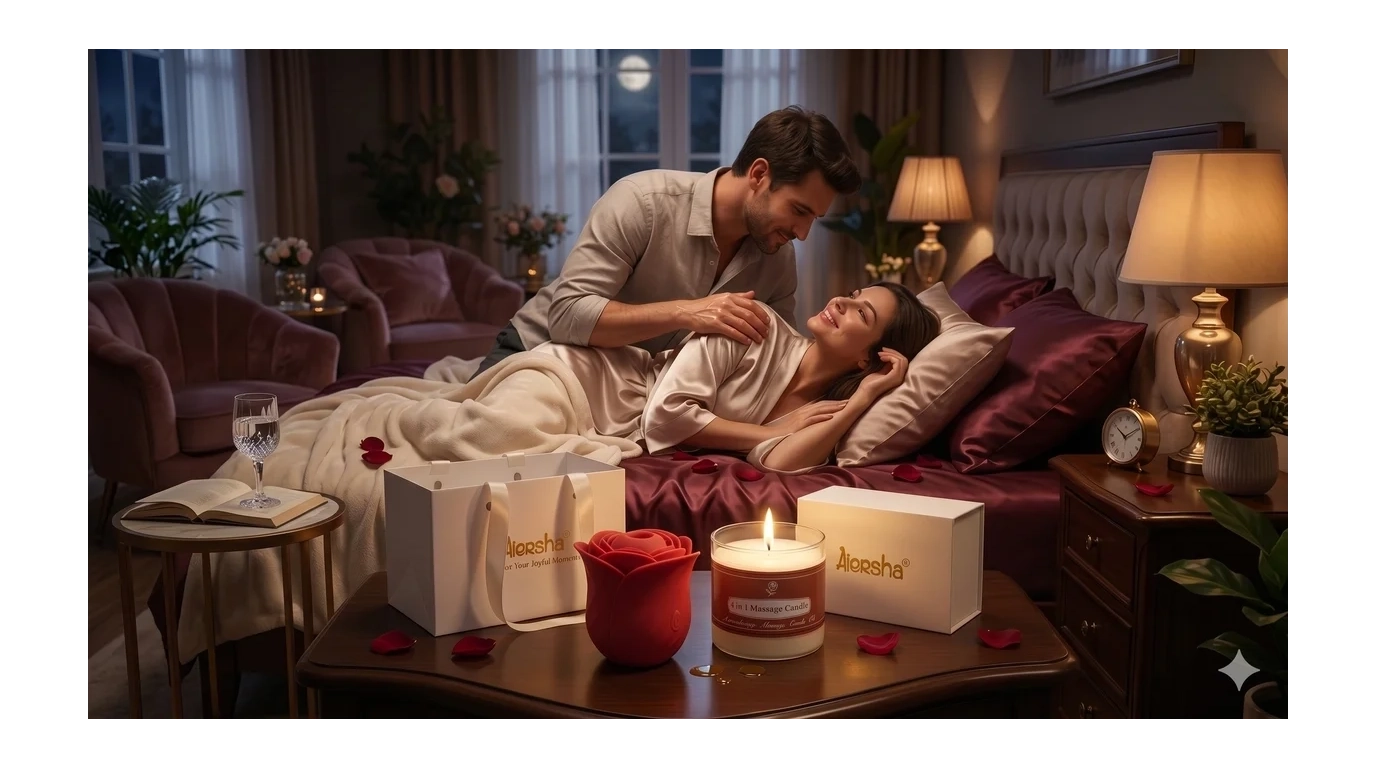
Let’s be direct: we all know the cliché of the "bedroom slump" that people try to fix with a glass of wine, an expensive dinner, or scented candles. But while romance is great for the mind, the real magic happens within your endocrine system.
Hormones play an important role in sexual desire, energy, mood and overall well-being. Libido is influenced by many factors, including hormone levels, stress, sleep, physical health, relationships and emotional state. Understanding these connections can help you see sexual wellness as part of your overall well-being rather than something that exists in isolation.
Sexual desire is influenced by a complex interaction between the brain, the nervous system and the endocrine system. Hormones such as testosterone, estrogen and progesterone all play a role, although their effects can vary considerably from person to person.
The hypothalamic-pituitary-gonadal (HPG) axis is one of the systems involved in reproductive hormone regulation. Changes in hormone levels can influence sexual desire, sensitivity, energy and mood, but libido is never controlled by hormones alone.
Stress, sleep, medication, physical health, age, relationships and psychological well-being can all influence how much desire someone experiences at a particular time.
Testosterone is often associated with sexual desire and is present in people of all sexes. Low testosterone levels can sometimes be associated with reduced libido, although hormone levels are only one part of the overall picture.
Estrogen influences reproductive tissues, blood flow and vaginal health. Changes in estrogen levels, for example during the menstrual cycle, after childbirth or around menopause, may also affect sexual comfort and desire.
Progesterone changes throughout the menstrual cycle and can interact with other hormones that influence mood, energy and sexual desire.

Stress can influence many aspects of physical and emotional health, including sleep, concentration, mood and sexual desire. During periods of prolonged stress, the body activates its stress-response systems and releases hormones such as cortisol.
This does not mean that stress automatically causes a hormonal disorder. However, persistent stress, lack of sleep and emotional exhaustion can make it more difficult to relax, feel desire or enjoy intimacy.
For many people, creating time for relaxation, intimacy and personal pleasure can be one way to reconnect with their body and reduce everyday tension.
Hormonal health is influenced by many everyday factors. Rather than focusing on a single hormone, it can be useful to look at overall lifestyle and well-being.
Sleep supports many important processes in the body, including hormone regulation. Poor or insufficient sleep can affect energy, mood and sexual desire.
A balanced diet provides nutrients that the body needs for normal hormone production and overall health. Vitamins and minerals such as vitamin D, zinc and magnesium are involved in many physiological processes, but supplements should not be viewed as a universal solution for low libido.
Pleasant touch, intimacy and sexual stimulation can contribute to relaxation and emotional connection. For some people, intimate products can also be part of exploring what feels enjoyable and comfortable.
It is easy to assume that low libido must have a single biological cause. In reality, sexual desire is highly individual and can change over time.
Relationship dynamics, stress, mental well-being, medication, pain, hormonal changes and physical health may all play a role. There is therefore no single “normal” level of desire that applies to everyone.
If a sudden or persistent change in libido is accompanied by other symptoms or causes concern, it is advisable to speak with a qualified healthcare professional.
Sexual wellness does not need to be treated as a performance goal. Taking time to relax, communicate, explore your body and discover what feels comfortable can help create a more positive relationship with intimacy.
Modern intimate products offer many different types of stimulation, from gentle vibration to more targeted designs. The right product is ultimately the one that matches your preferences, comfort and personal boundaries.
Stress, mood, hormones and desire are closely connected with your overall well-being. Discover intimate products designed to help you explore pleasure, relaxation and what feels right for you.
Discover Our CollectionEndocrine Society – Scientific and clinical information about hormones and endocrine health: Endocrine Society
Harvard Health – Medical information about health, stress and sexual health: Harvard Health Publishing
Please sign in first.
Sign in


